
A defined scope
Identify the pool construction method, features, equipment, decking, and work around the site. Make clear how fencing, landscaping, drainage, and restoration are addressed.
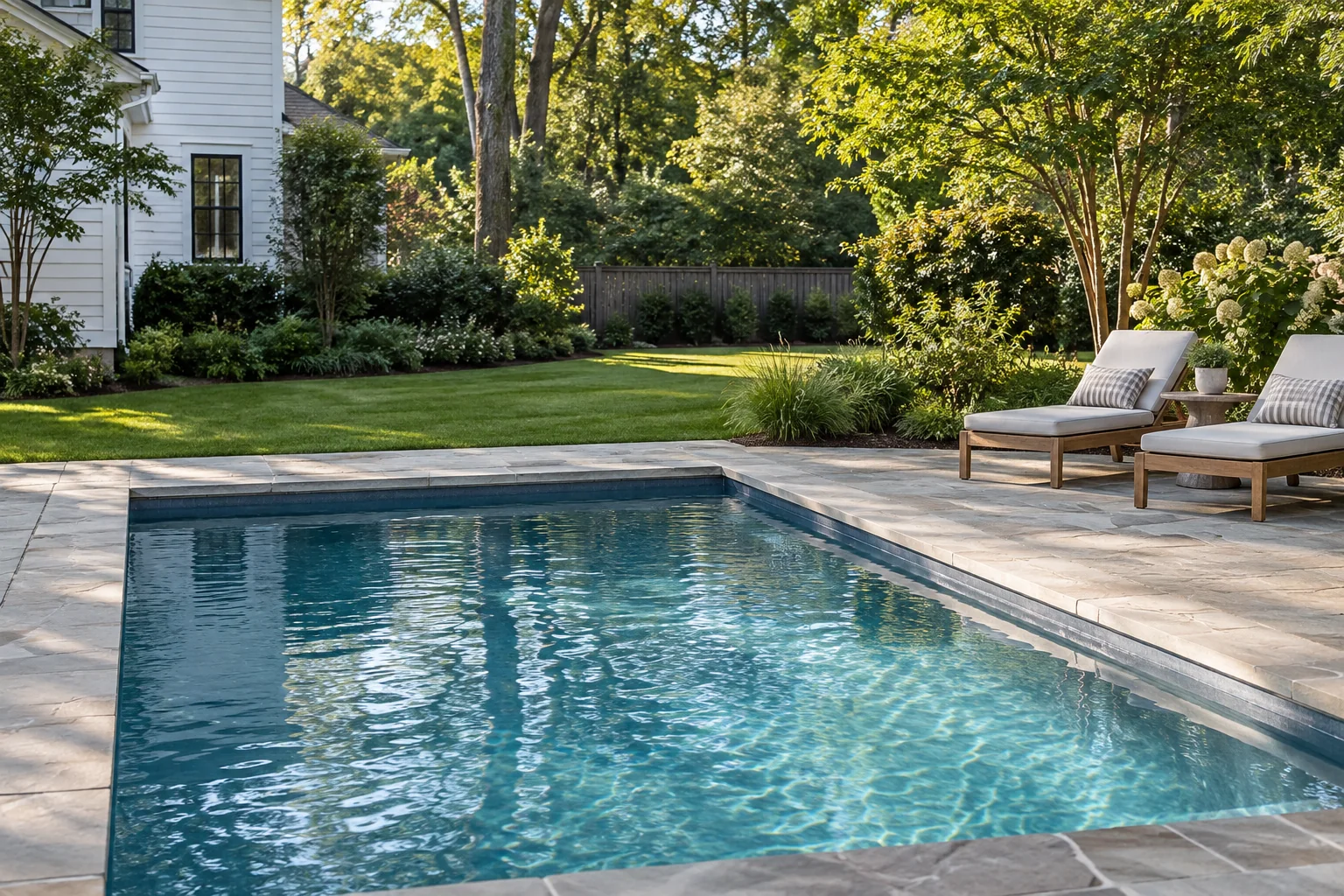
From access and excavation to finishes and the walkthrough, understand the decisions and work ahead. Your pool type, property, and agreed scope determine the construction plan.
Confirm the layout, selections, work area, access route, and any areas to protect. Project documents should explain who handles approvals, utilities, inspections, and related work. Discuss deliveries, noise, children, pets, and backyard access so the household knows what to expect.
Identify the pool construction method, features, equipment, decking, and work around the site. Make clear how fencing, landscaping, drainage, and restoration are addressed.
Site conditions, weather, materials, inspections, and other trades affect the sequence. Confirm the project contact and how progress and schedule changes will be communicated.
A changed selection or concealed site condition can affect cost and timing. Establish how findings, scope changes, and approvals will be documented before additional work proceeds.
This is a general guide. Stages may overlap or differ with the pool type and site; your project plan should identify the applicable work and responsible parties.
The agreed layout and access arrangements guide preparation of the work area. Excavation depends on the pool type, grade, and conditions found onsite.
The pool is built or placed using the specified construction method. Plumbing, utilities, equipment, and applicable inspections follow the required sequence.
Surfaces take shape around the water. Grade changes, drainage, steps, and transitions to the house and existing patio need coordinated attention.
Requirements vary by pool type, finish, and equipment. Confirm the arrangements for filling, startup, initial care, and the tasks included in the agreement.
Review the work against the agreed scope, remaining items, equipment information, cleanup, applicable final inspections, and any care instructions.
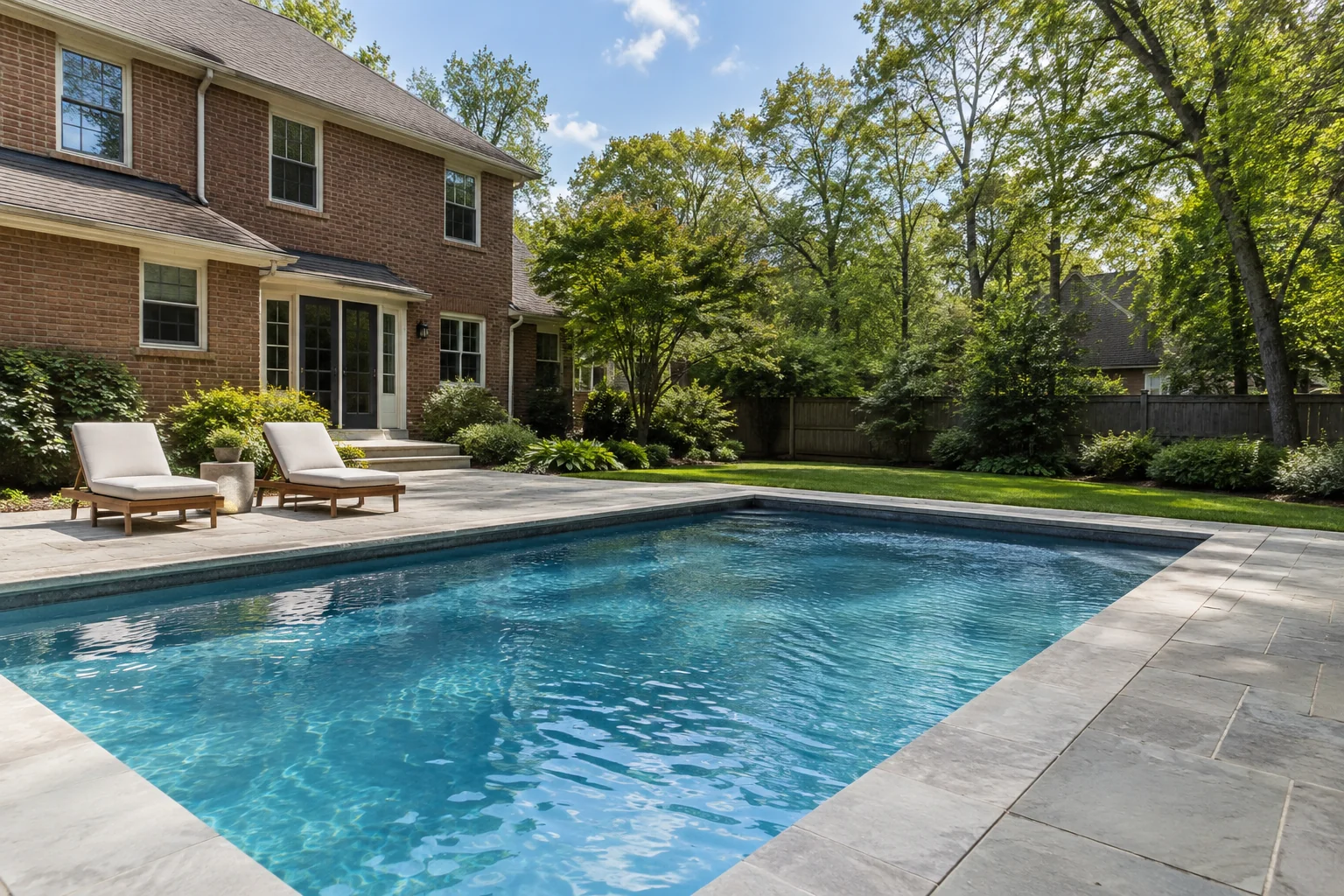
The final conversation should cover equipment operation, care information, remaining work, and who to contact with questions. Keep project documents and equipment information together, and review the terms of any product or workmanship coverage actually included in your agreement.
Tell us about your property and what you have in mind. You don’t need a finished plan.